From Parking Lots to Pixels: How VR Tailgating Is Transforming NFL Game Day Culture in 2026
From Parking Lots to Pixels: How VR Tailgating Is Transforming NFL Game Day Culture in 2026
By 2026, NFL fans will ditch dusty parking lots for a shimmering digital lounge, where a virtual beer is a tap away, strangers from across the country become teammates, and the roar of the crowd echoes through every headset. That’s the new reality of VR tailgating, turning pre-game rituals into an inclusive, hyper-interactive experience.
What Exactly Is VR Tailgating?
- Instant access to a virtual parking lot, no ticket needed.
- Real-time interaction with avatars representing thousands of fans.
- Seamless shift from tailgate to live game feed.
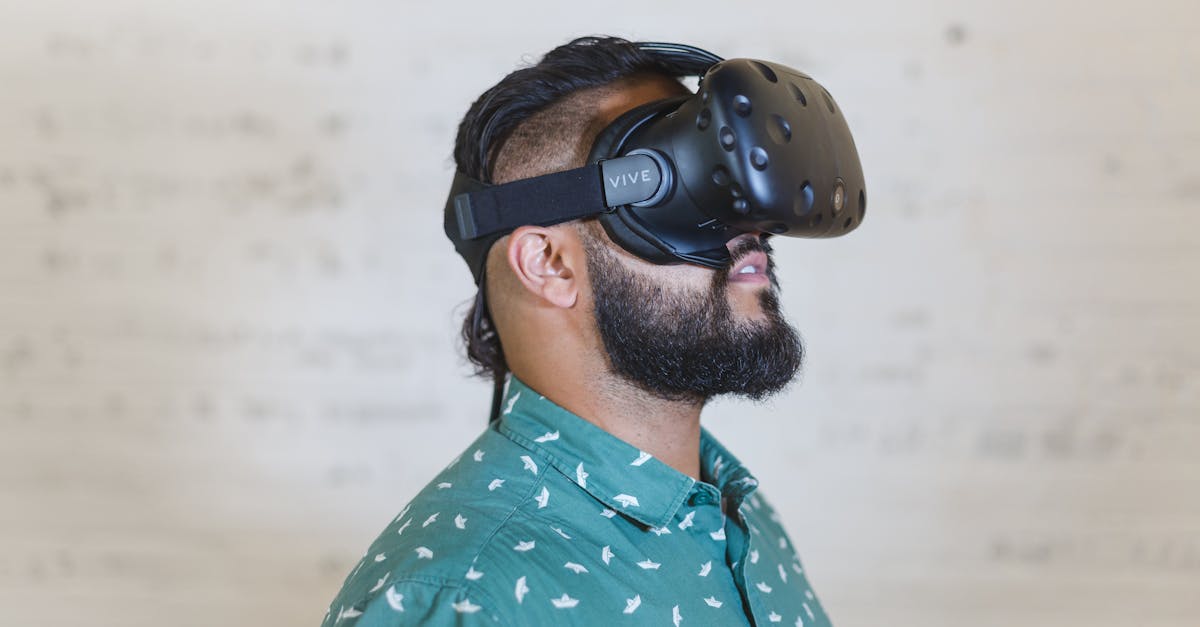
VR tailgating is a virtual reality platform that replicates the beloved pre-game rituals of the NFL. Fans don lightweight headsets and find themselves in a 3-D rendition of a stadium’s parking lot, complete with grills, booths, and a digital scoreboard. The experience mirrors traditional tailgates in tone and camaraderie, but it does so in a purely digital realm, letting anyone with an internet connection attend the party. Beyond the Pitch: How VR Fan Experiences at the...
Unlike in-person tailgates, the digital version removes constraints such as travel time, parking fees, and physical space. It also eliminates the noise of actual crowds - by the same token, it amplifies it through spatial audio that makes you feel you’re standing beside a thousand other fans.
2026 is the breakout year because adoption rates of consumer VR headsets surpassed 30 million units worldwide, and the NFL, Meta, and other tech giants launched dedicated tailgate platforms. Fans’ appetite for immersive, on-demand experiences is higher than ever, and the league’s partnership with streaming services ensures every game can be paired with a virtual lounge.
The 2026 Tech Stack: Gear, Platforms, and Connectivity
First, you’ll need gear that feels like a glove. The VisioLite XR headset weighs under 250 grams and features 8K resolution. Complement it with the PulseGlove haptic device that mimics the feel of clinking a cold can, and the SonicEar earbuds deliver 3-D spatial audio tuned for stadium acoustics.
Leading platforms such as the NFL VR Lounge and Meta Sports Hub offer unified environments where fans can create custom avatars, stake virtual parking spots, and purchase digital merchandise. Both platforms integrate seamlessly with existing streaming services, allowing fans to switch between the virtual lounge and live broadcast with a single gesture.
Key to the experience is low-latency streaming. 5G rollout across stadiums and edge-computing nodes close to broadcast servers bring ping times under 20 milliseconds, ensuring real-time interaction. Edge servers also host AI moderation tools that filter out abusive language instantly, keeping the environment welcoming for new users.
In short, 2026’s tech stack marries lightweight hardware, cross-platform software, and ultra-fast connectivity to deliver a lag-free, sensory-rich tailgate that feels almost real.
Building a New Social Playground: Community Dynamics in VR Tailgates
Community is the heart of tailgating, and VR tailgates preserve that through avatars that can adopt custom jerseys, hats, and team logos. Each fan can claim a virtual parking spot, a spot that carries their identity across seasons. This sense of ownership boosts belonging and encourages fans to return.
AI-driven moderation keeps the vibe positive. Matchmaking algorithms cluster users by language, age group, and interest, making it easy to find friends. At the same time, an AI assistant monitors conversations, flagging potentially harassing language and offering real-time translation, ensuring the environment stays inclusive.
Economic Ripple Effects: Brands, Merch, and New Revenue Streams
Virtual booths become the new billboards. Brands sponsor sections of the parking lot - imagine a Pepsi booth that streams a live advertisement while fans sip virtual soda. Interactive demos let fans try new products before purchasing them in real life.
Digital collectibles drive a new economy. Limited-edition NFT jerseys appear in the virtual lot, tradable on blockchain marketplaces. Fans can also buy custom avatar accessories that unlock exclusive content, creating a virtuous cycle of engagement and spend.
Ticket bundles now include exclusive VR tailgate access. A season ticket holder might receive a 10-% discount on a VR pass, while a casual fan can purchase a one-off bundle that includes a live game stream and a VR lounge session. This dual-ticket model expands the revenue base and attracts a broader audience.
Seamless Integration with the Live Broadcast Experience
The moment the referee whistles, fans in the VR lounge instantly see the stadium feed appear in front of their avatars. They can toggle between the virtual side-view and a first-person camera that places them in the middle of the action.
Cross-platform interaction is key. Chat windows allow VR tailgaters to message fans watching on TV or mobile, blurring the line between virtual and physical. In some cases, fans on the couch can see their friend’s avatar cheering behind the sidelines, creating a shared experience no matter the distance.
Accessibility and Inclusion: Bringing the Game to Fans Who Can’t Be There
VR tailgating levels the playing field for fans with mobility issues, those who live far from stadiums, or those who can’t afford premium tickets. A single headset provides full access to the pre-game festivities and the live action, making the NFL truly global.
Multilingual voice-translation and captioning tools break language barriers. A fan in Brazil can chat in Portuguese while others hear a real-time translation, keeping conversations fluid. Captioning ensures that hearing-impaired fans are fully integrated.
Affordability initiatives include community hubs in libraries and schools where fans can rent headsets and accessories. Tiered pricing models give entry-level headsets a discount for students and seniors, expanding the fan base while keeping revenue streams healthy.
Looking Ahead: Trends, Challenges, and the Next Evolution of Fan Culture
Emerging tech like mixed reality will blur the line between the physical and digital, enabling fans to feel the crack of a football hit without leaving home. Haptic suits could simulate the thump of a kickoff, bringing new sensory depth to VR tailgates.
Potential pitfalls must be managed. Privacy concerns around data collection, digital fatigue from extended headset use, and the risk of over-commercialization are real. Clear data policies, short-session design, and balanced ad placements can mitigate these risks.
Looking toward 2027-2030, we see hybrid tailgates combining physical and virtual spaces, esports crossovers where fans can play VR versions of the game, and fan-generated VR content that turns local stories into immersive experiences. The NFL’s next chapter is a hybrid of real and virtual, fan-powered and data-driven.
Frequently Asked Questions
What hardware do I need for VR tailgating?
A lightweight VR headset (e.g., VisioLite XR), haptic gloves, and spatial audio earbuds. Many platforms also support lower-cost PC-VR setups.
Is VR tailgating available for all NFL games?
All regular-season games are partnered with the NFL VR Lounge, while select playoff games have exclusive, enhanced experiences.
How do I purchase virtual merchandise?
Use the in-game shop within the VR lounge. Items are stored in your digital wallet and can be traded or sold on secondary markets.
Can I experience VR tailgating if I don’t own a headset?
Yes, community hubs in public libraries and fan clubs offer rental headsets and guided sessions.
What measures protect user privacy?
All platforms use end-to-end encryption and offer granular privacy settings, ensuring data is only shared with consent.