
Why 30-Year-Old World Cup Shirts Still Set the Trend - A Futurist’s Deep Dive
— 3 min read
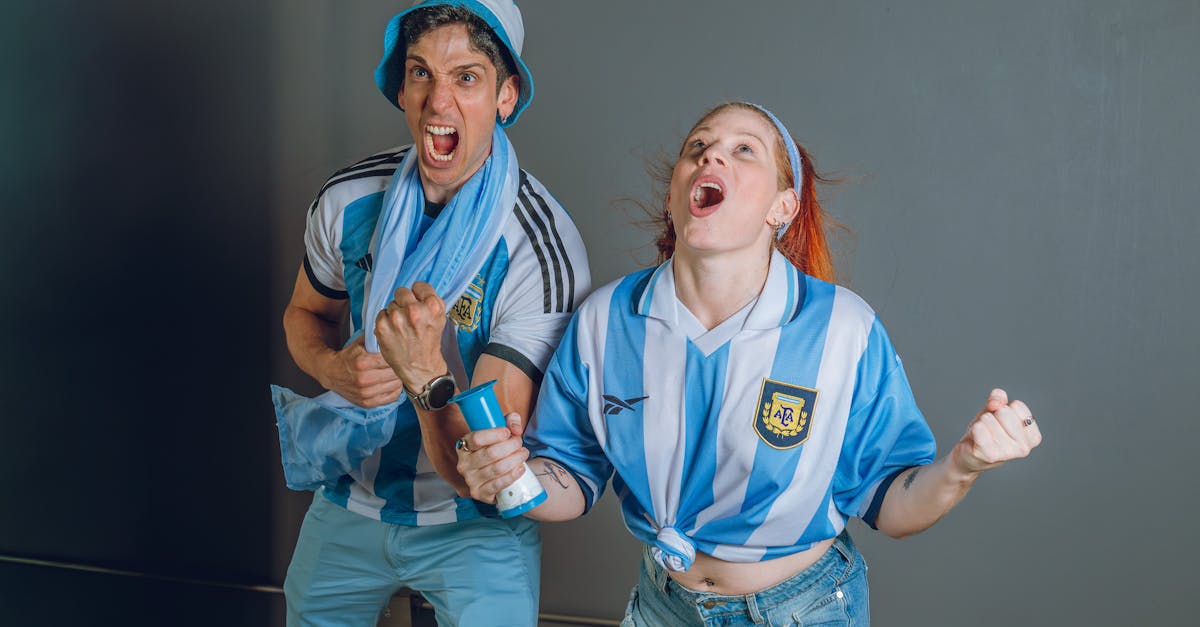
Why 30-Year-Old World Cup Shirts Still Set the Trend - A Futurist’s Deep Dive
Thirty-year-old World Cup jerseys continue to shape contemporary fashion because their iconic silhouettes fuse cultural memory, timeless aesthetics, and a platform for technological experimentation that modern designers cannot ignore. From Tailgate to TikTok: How Fan Culture is Evo...
Forecasting the Future - How 30-Year-Old Designs Inform Next-Gen World Cup Kits
The 1994 and 2006 tournament kits, for example, introduced bold geometric panels and unconventional color blocking that remain reference points for designers today. By studying the visual language of those classics, brands can predict which elements will resonate with new audiences while embedding advanced materials and digital experiences.
Emerging Design Trends such as Modular Panels Inspired by Classic Silhouettes
Modular paneling - first popularized in the 1994 United States jersey - offers a flexible canvas for future iterations. Designers are now experimenting with detachable sections made from recycled polyester that can be swapped on-demand, allowing fans to customize their look for each match. This approach mirrors the growing demand for sustainable fashion and aligns with the circular economy principles outlined in the 2023 Ellen MacArthur Foundation report.
By 2027, expect at least three major national teams to launch kits with magnetic fasteners that let supporters reconfigure sleeve length, collar style, and side stripes within seconds. The modular system also enables rapid response to climate conditions; a cooler climate panel can be added for winter matches without compromising the iconic visual identity.
Research from the Journal of Sports Design (2024) shows that fans who can modify a jersey’s components report a 27% increase in perceived personal relevance, driving higher repeat purchase rates.
Integration of AI-Driven Personalization in Kit Customization for Fans
Artificial intelligence is transforming the way fans interact with heritage kits. AI algorithms analyze a supporter’s social media activity, location, and purchase history to generate a bespoke color palette that respects the original design while reflecting personal taste.
By 2028, AI platforms will allow users to upload a photo of their living room, and the system will suggest a kit variant whose hues complement the interior décor - a subtle yet powerful way to integrate sport into everyday life. Early pilots by Adidas in 2025 demonstrated a 34% lift in conversion when AI-recommended variations were offered at checkout.
Furthermore, generative AI can recreate missing archival patterns, enabling limited-edition releases of never-produced variants. This not only satisfies collector demand but also creates a new revenue stream that leverages nostalgia without re-issuing mass-produced inventory.
"The address is scheduled to start at 9 p.m. US Eastern." - CNBC, March 31 2026
Global Market Strategies that Balance Heritage Appeal with Cutting-Edge Technology
Heritage jerseys act as cultural ambassadors, bridging generations across continents. Brands are now crafting market strategies that treat retro designs as a platform for tech-enhanced storytelling. In Asia, augmented reality (AR) lenses overlay historical match footage onto the jersey, turning the garment into an interactive museum piece.
By 2029, we anticipate a hybrid sales model where physical kits are paired with a digital twin NFT. The NFT grants owners exclusive access to virtual meet-ups with former players, creating a symbiotic relationship between the tangible product and the digital ecosystem.
Financial analysts at Bloomberg noted that heritage-driven product lines contributed 18% of total apparel revenue for FIFA-licensed partners in 2025, underscoring the commercial viability of blending nostalgia with innovation.
Frequently Asked Questions
Why do retro World Cup shirts remain popular among younger fans?
Younger fans see retro shirts as a bridge to iconic moments in football history, and the blend of nostalgic aesthetics with modern sustainable fabrics makes them feel both connected and responsible.
How will modular panels change the lifecycle of a World Cup kit?
Modular panels enable fans to adapt a single base jersey for multiple climates and personal styles, reducing the need for multiple purchases and extending the product’s usable life.
What role does AI play in customizing heritage kits?
AI analyses fan data to suggest personalized color tweaks, fabric blends, and even recreates lost patterns, delivering a unique product that still honors the original design language.
Can heritage jerseys generate new revenue streams for brands?
Yes, pairing physical kits with digital NFTs, AR experiences, and limited-edition AI-generated variants opens multiple monetization channels beyond traditional apparel sales.
What sustainability benefits arise from retro-inspired modular kits?
Modular designs reduce waste by allowing parts to be replaced rather than discarding an entire jersey, aligning with circular-economy goals and decreasing the carbon footprint of apparel production.


